
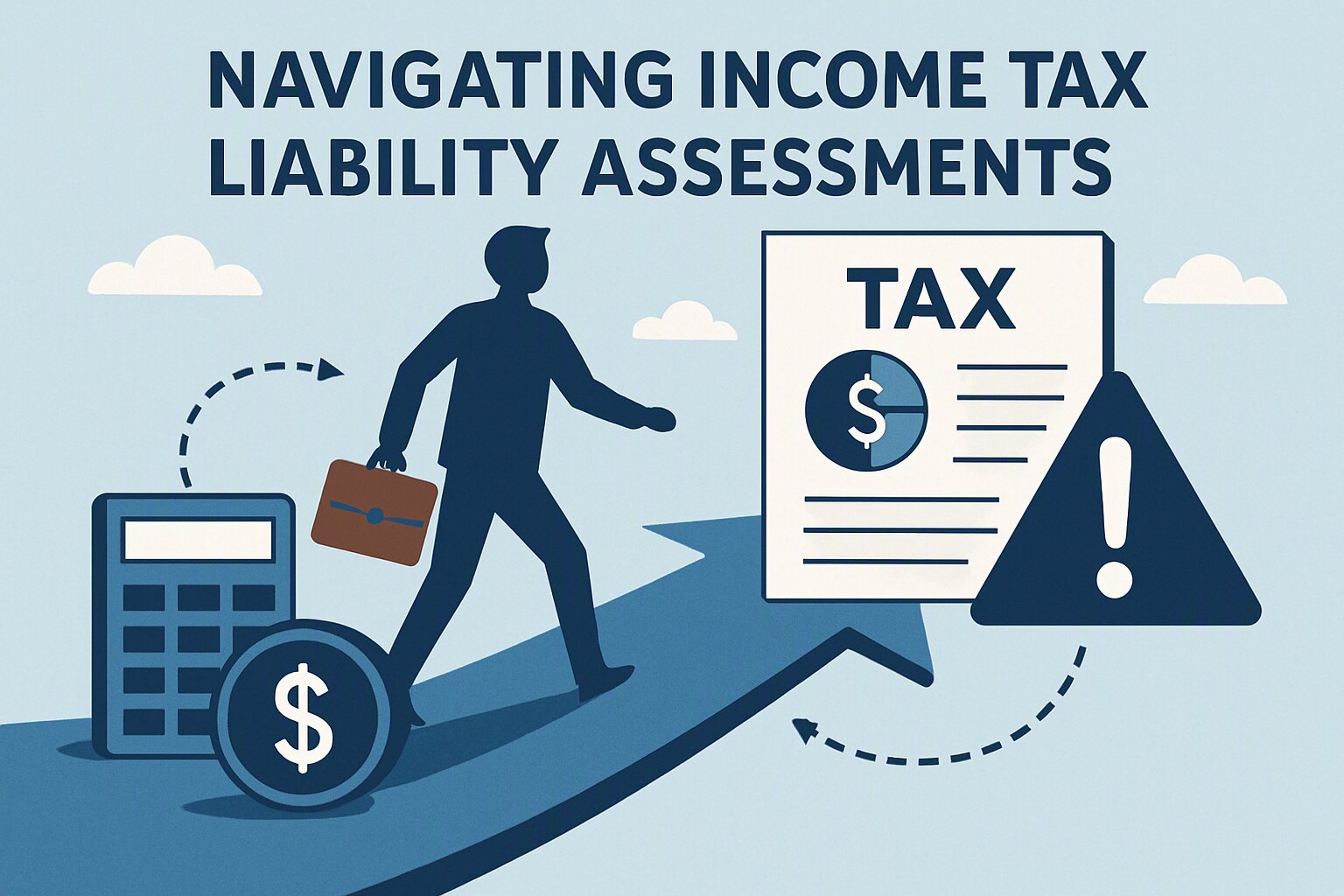
Navigating the complexities of income tax liability assessments can be a daunting task, especially when one considers the myriad of regulations and potential pitfalls involved. In my experience, understanding the nuances of tax filing can significantly influence one’s financial outcome. Below, I will discuss various aspects that contribute to effective tax management, from common mistakes to the importance of professional services.
Table of Contents
Common Mistakes in Tax Filing
One of the most prevalent issues I have observed in tax filing is the incorrect application of deductions. Many taxpayers, including myself at times, may overlook specific rules or misinterpret the eligibility criteria for various deductions. This can inadvertently lead to an increase in tax liability assessments. For instance, claiming a deduction that one is not entitled to can result in penalties or additional taxes owed, which could have been avoided with a more thorough understanding of the tax code.
Additionally, I have seen how missing out on available credits can significantly reduce potential income tax refunds. Tax credits are often more beneficial than deductions since they directly reduce the amount of tax owed. Failing to claim these credits not only diminishes the refund one could receive but also affects overall tax liability. It is essential to be diligent in reviewing all possible credits and ensuring that they are accurately claimed to maximize potential refunds.
How to Organize Your Financial Records
Organizing financial records is a critical step I have learned to prioritize for accurate income assessment. Keeping tax returns organized allows for a clearer understanding of one’s financial situation and ensures that all necessary documentation is readily available when it comes time to file. I have found that maintaining a systematic approach to filing—whether through digital means or physical records—facilitates a smoother tax preparation process.
Moreover, tracking deductions and credits throughout the year can significantly reduce tax liability. By maintaining a log of expenses and potential deductions as they occur, I have been able to ensure that I do not overlook any opportunities when filing my tax return. This proactive approach not only simplifies the filing process but also enhances the accuracy of the information submitted to tax authorities.
The Impact of Changes in Tax Law
Staying informed about changes in tax law is vital for accurately assessing income tax liability. Tax laws can shift from year to year, and these changes can have a substantial impact on how income tax liability assessments are calculated. I have witnessed firsthand how new regulations can create opportunities for deductions or alter existing ones, which can affect the overall tax burden.
New deductions and credits introduced by tax reforms can also significantly alter tax return calculations. For example, a change in the standard deduction or the introduction of new tax credits can lead to a considerable difference in the amount owed or refunded. Therefore, I make it a point to review any tax law changes annually to ensure that I am taking full advantage of the current tax landscape.
Utilizing Professional Tax Services
In my experience, utilizing professional tax services can be instrumental in maximizing deductions and effectively reducing income tax liability. Tax professionals possess the expertise and knowledge necessary to navigate the complexities of the tax code, ensuring that no potential deduction is overlooked. They can provide tailored advice based on individual financial situations, which can lead to significant savings.
Furthermore, ensuring accurate form submission is crucial for optimal refund assessment. Tax professionals are adept at completing and filing the necessary forms, which minimizes the risk of errors that could lead to delays or audits. I have found that investing in professional tax services can ultimately pay off through increased refunds and reduced liabilities.
Understanding the Assessment Process
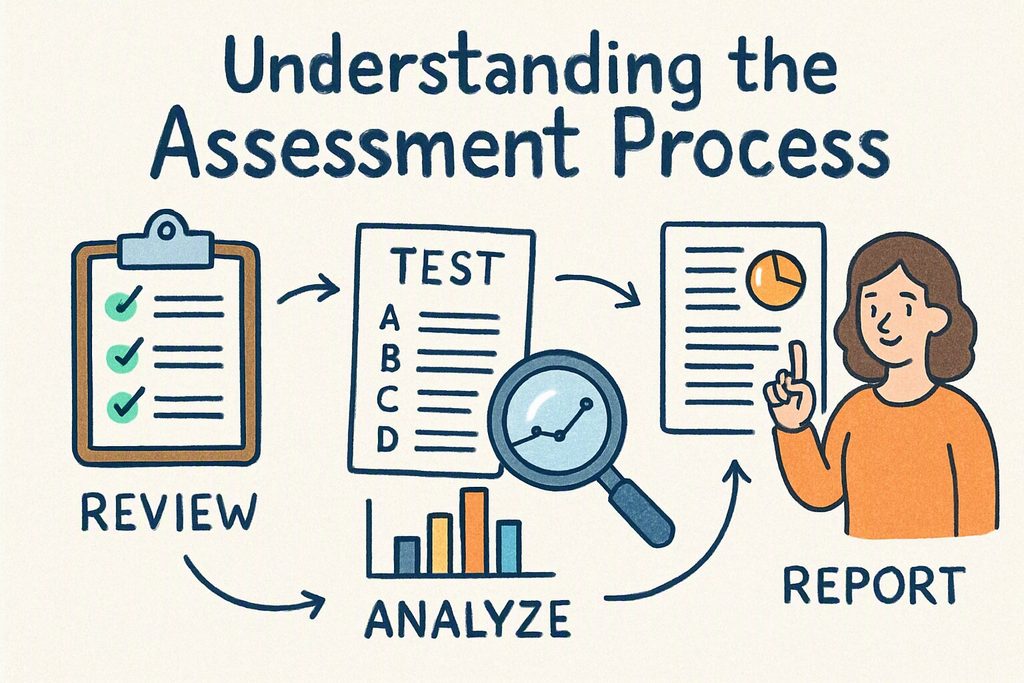
Understanding the income tax return forms is essential for accurate assessments. I have learned that being familiar with the various forms and their requirements can streamline the filing process and ensure that all necessary information is included. This understanding helps avoid common pitfalls that can arise from incomplete or inaccurate submissions.
Additionally, exploring available deductions and credits thoroughly is vital to reducing tax liability. By taking the time to understand what is available, I can make informed decisions about what to claim, ultimately leading to a more favorable tax outcome.
The Benefits of Tax Planning
Effective tax planning is a strategy I have adopted to minimize income tax liability assessments. By proactively managing my finances and anticipating tax implications, I can make informed decisions that lead to lower tax burdens. This planning involves a thorough analysis of income, potential deductions, and credits, which allows me to optimize my tax situation throughout the year.
Maximizing deductions and credits during tax planning can also significantly enhance refund potential. By being strategic about expenditures and ensuring that I am aware of all available tax benefits, I can position myself to receive the highest possible refund when tax season arrives.
Responding to IRS Inquiries and Notices
Understanding tax liability assessment forms and procedures is crucial when responding to IRS inquiries and notices. I have learned that being proactive in addressing any correspondence from the IRS can prevent complications and additional liabilities. It is essential to review income deductions and credits thoroughly to ensure that my returns are accurate and to address any discrepancies promptly.
In conclusion, navigating income tax liability assessments requires a combination of knowledge, organization, and proactive planning. By avoiding common mistakes, maintaining organized records, staying informed about tax law changes, utilizing professional services, understanding the assessment process, engaging in effective tax planning, and responding promptly to IRS inquiries, I have found that I can manage my tax responsibilities more effectively and optimize my financial outcomes.