
Table of Contents
Introduction to Income Tax Brackets
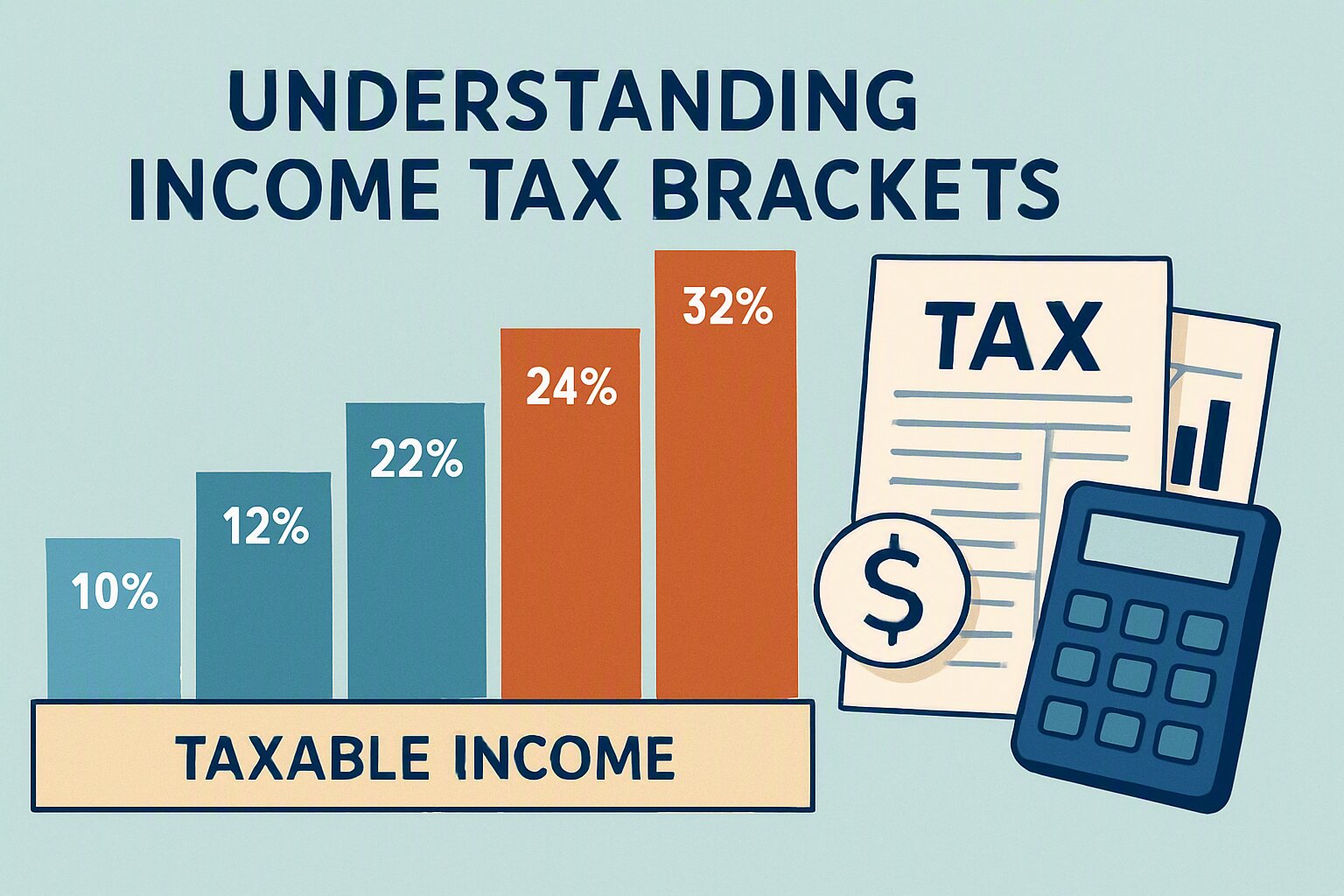
Understanding income tax brackets is crucial for anyone who earns income and is subject to taxation. Income tax brackets determine your tax liability rate, meaning they dictate how much of your income will be taxed at various rates. This tiered system ensures that individuals with higher incomes pay a higher percentage in taxes, while those with lower incomes benefit from lower rates. Grasping how these brackets function can significantly impact your financial planning and tax strategy.
Additionally, understanding deductions and credits is essential, as they can greatly affect your tax return refund. Deductions are amounts that you can subtract from your total income, thereby lowering your taxable income, while credits reduce the actual amount of tax you owe on a dollar-for-dollar basis. By effectively utilizing deductions and credits, you can maximize your refund or minimize your tax liability, making it imperative to have a thorough understanding of these components in relation to income tax brackets.
How Income Tax Brackets Work
Income tax brackets operate on a progressive tax system, where tax rates vary based on income brackets and filing status. The government sets specific income thresholds that determine which tax rates apply to different portions of your income. For example, if you earn ₹4,798,295, a portion of your income may be taxed at a lower rate, while the remainder is taxed at a higher rate. This means that not all of your income is taxed at the same rate, which is a fundamental aspect of how the system is designed to be equitable.
Furthermore, deductions and credits play a vital role in affecting your overall tax liability and refund. For instance, if you qualify for various deductions—such as mortgage interest or student loan interest—you can reduce your taxable income, potentially placing you in a lower tax bracket. Similarly, tax credits can directly decrease your tax bill, making it essential to understand how these elements intertwine with your income tax brackets to optimize your tax situation.
The Importance of Filing Status
Your filing status is another critical factor that affects your income tax brackets and overall tax liability. The IRS recognizes several filing statuses, including single, married filing jointly, married filing separately, head of household, and qualifying widow(er). Each status has its own set of tax brackets and rules, which can significantly influence your tax calculations. For instance, married couples who file jointly often benefit from wider tax brackets and higher income thresholds before reaching higher rates, compared to those who file separately.
Choosing the correct filing status can help you maximize deductions and credits that are available to you. For example, head of household filers typically enjoy a higher standard deduction and more favorable tax brackets than single filers. Therefore, it is crucial to assess your situation carefully and select the filing status that will yield the most favorable tax outcome.
Understanding Marginal Tax Rates
Marginal tax rates are a key concept in understanding your overall income tax liability. These rates apply to the last dollar you earn, meaning that as your income increases, only the income that exceeds certain thresholds is taxed at higher rates. This progressive structure ensures that while higher earners pay more in taxes, their entire income is not taxed at the highest rate.
Understanding how marginal tax rates function can help you strategize to maximize deductions and credits on your tax returns. For example, if you know that you are close to moving into a higher tax bracket, you might consider accelerating certain deductions or deferring income to minimize your taxable income for that year. This strategic planning can have a significant impact on your overall tax liability.
Deductions and Their Impact on Taxable Income
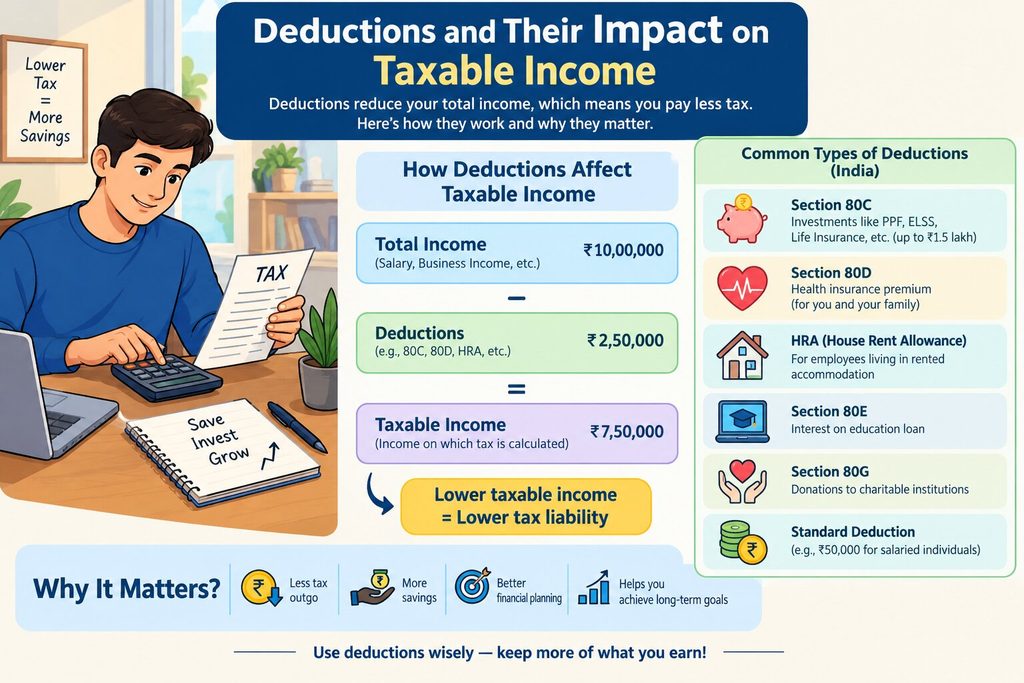
Deductions play a crucial role in lowering your taxable income, which in turn affects your overall tax liability. By reducing the amount of income that is subject to taxation, deductions can help you stay within a lower tax bracket and ultimately save you money on your taxes. Common deductions include those for mortgage interest, property taxes, and certain business expenses, among others.
Understanding how brackets work in conjunction with deductions is vital for maximizing your tax return. If you can effectively itemize your deductions or take advantage of the standard deduction, you can significantly lower your taxable income. This, in turn, can place you in a more favorable tax bracket, allowing you to pay a lower percentage of your income in taxes.
Tax Credits vs. Tax Deductions
It is essential to differentiate between tax credits and tax deductions, as they have distinct impacts on your tax liability. Tax credits directly reduce the amount of tax you owe on your returns, providing a dollar-for-dollar reduction that can significantly lower your tax bill. For example, if you owe ₹1,91,972.70 in taxes and qualify for a ₹47,967.38 tax credit, your tax liability would be reduced to ₹144,210.
On the other hand, deductions lower your taxable income, which can influence your tax brackets and rates. While deductions can also lead to tax savings, their impact is generally less direct than that of tax credits. Understanding the differences between these two elements is crucial for effective tax planning and can help you make informed decisions that optimize your tax situation.
Common Misconceptions About Tax Brackets
There are several common misconceptions regarding tax brackets that can lead to confusion. One prevalent myth is that a higher income automatically means a higher overall tax rate. In reality, only the income that falls within the higher brackets is taxed at the higher rates, while the income in lower brackets is taxed at the corresponding lower rates. This means that not all of your income is subject to the same tax rate.
Additionally, many individuals overlook the significant impact that deductions and credits can have on their tax liability and refund. By failing to account for these factors, taxpayers may underestimate their potential tax savings. Therefore, it is vital to have a comprehensive understanding of how tax brackets, deductions, and credits interact to ensure that you are not leaving money on the table.
Conclusion and Future Considerations
As we look ahead, it is essential to consider how future tax brackets may influence income filing strategies. Tax laws and brackets can change due to new legislation, which means that staying informed about potential adjustments is crucial for effective tax planning. Understanding deductions and credits will continue to be a vital component in reducing overall tax liability, regardless of any changes to tax brackets.
In summary, a thorough understanding of income tax brackets, along with the interplay of deductions and credits, can empower you to make informed financial decisions. By leveraging this knowledge, you can optimize your tax return and potentially enhance your financial well-being.