
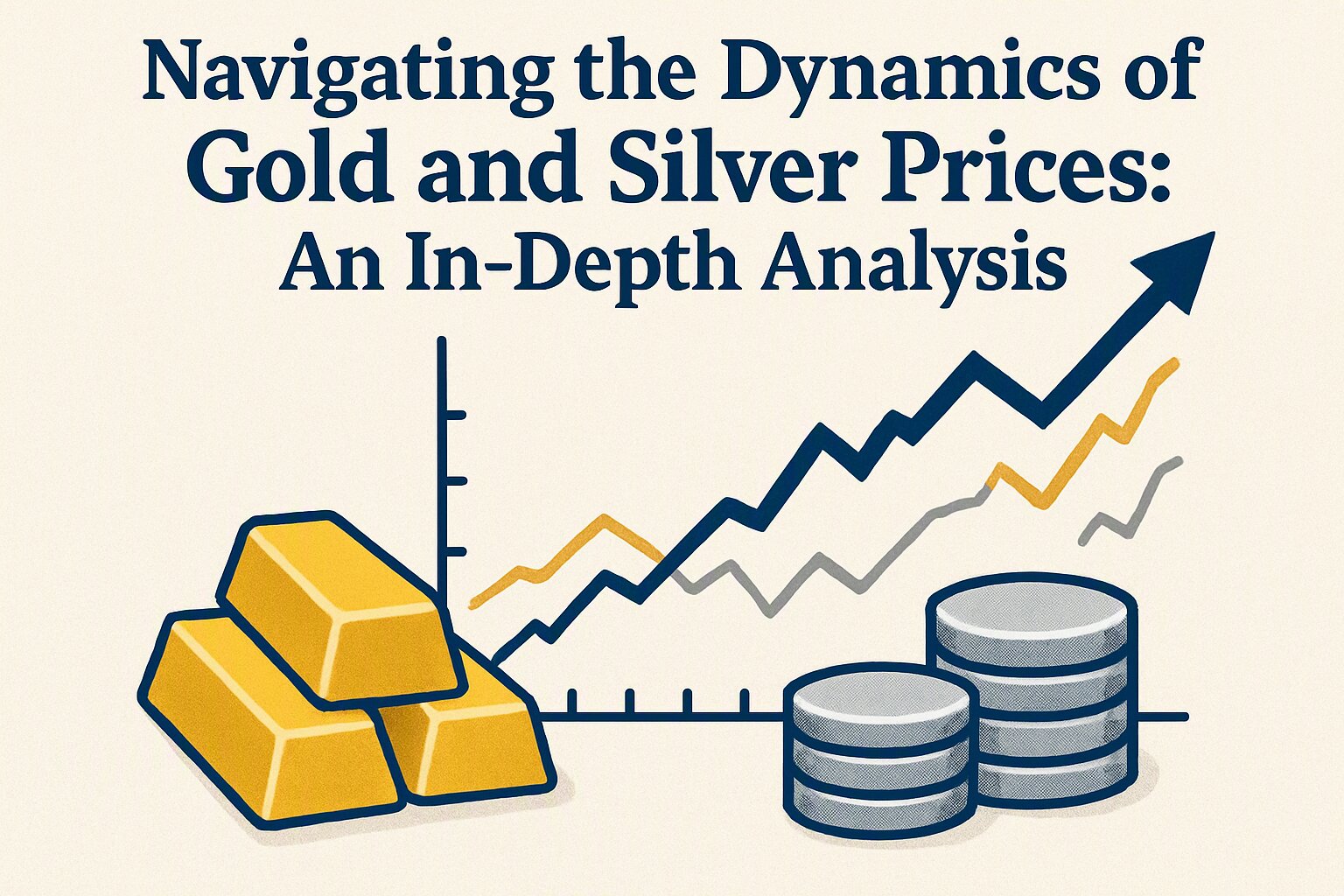
The precious metals market, particularly gold and silver, has long been a focal point for investors, economists, and analysts alike. These metals are valued not only for their intrinsic beauty and utility but also as vital indicators of economic health and stability. Understanding the factors that influence gold and silver prices is essential for anyone looking to navigate this complex and often volatile market.
Table of Contents
The Historical Context
Gold and silver have been revered throughout history, serving as currency, investment vehicles, and symbols of wealth. From ancient civilizations to modern economies, their allure has transcended time. Gold, often called a “haven,” tends to retain its value during economic downturns. At the same time, silver, with its dual role as both an industrial metal and a precious asset, often experiences price fluctuations based on market demand and technological advancements.
Current Market Trends
As of October 2023, the prices of gold and silver have experienced notable fluctuations, driven by a confluence of factors including geopolitical tensions, inflationary pressures, and shifts in monetary policy. Investors are increasingly seeking refuge in these metals amid rising uncertainties, prompting a surge in demand.
The price of gold has been particularly sensitive to changes in interest rates and inflation expectations. When central banks signal a potential increase in interest rates, the opportunity cost of holding non-yielding assets like gold rises, often leading to a decline in prices. Conversely, during periods of low interest rates and high inflation, gold tends to shine, attracting investors looking to hedge against currency devaluation.
Silver, while influenced by similar macroeconomic factors, is also subject to unique dynamics due to its industrial applications. The growing emphasis on renewable energy and technological innovation has bolstered demand for silver, particularly in solar panel production and electric vehicle manufacturing. This duality of function—both as a precious metal and an industrial commodity—adds layers of complexity to its pricing.
Key Factors Influencing Prices
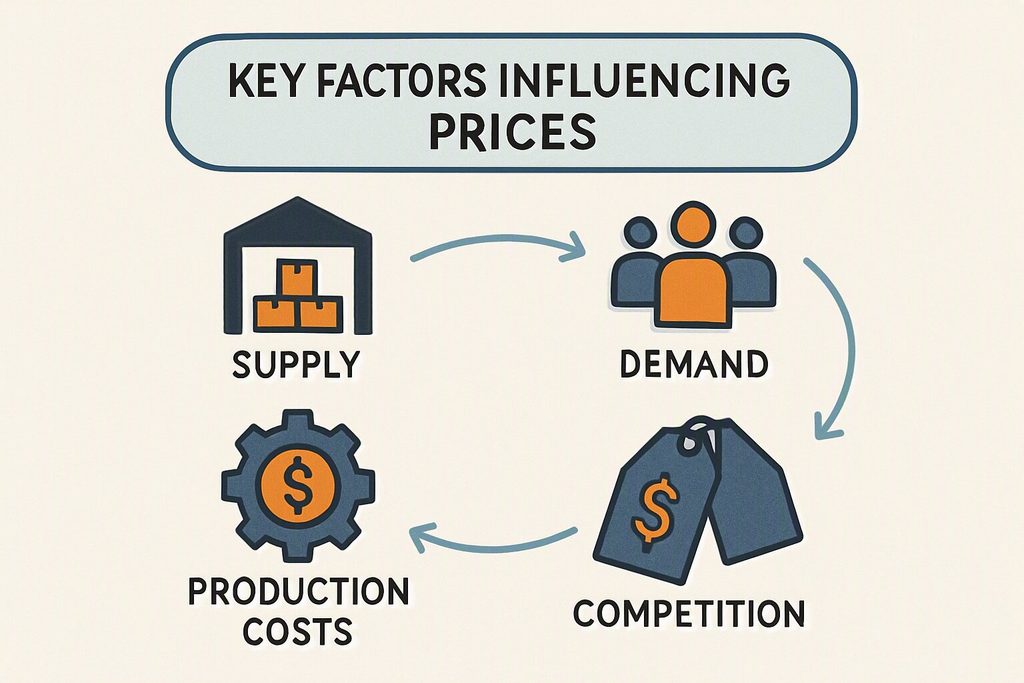
- Global Economic Conditions: The health of the global economy plays a crucial role in determining the prices of gold and silver. Economic growth often leads to increased industrial demand for silver, while economic uncertainty drives investors towards gold.
- Inflation and Interest Rates: As mentioned earlier, inflationary trends typically bolster gold prices. Investors often flock to gold as a hedge against inflation, while rising interest rates can exert downward pressure on its value.
- Geopolitical Tensions: Political instability and geopolitical conflicts can increase demand for gold as a safe-haven asset. Historical events show that during crises, investors often turn to gold, driving prices up.
- Currency Strength: The strength of the U.S. dollar significantly impacts gold and silver prices. When the dollar is stronger, these metals become more expensive for foreign investors, which can reduce demand.
- Supply and Demand Dynamics: The balance between supply and demand is fundamental in determining prices. For silver, factors such as mining output, recycling rates, and industrial consumption can significantly influence market dynamics.
Investment Strategies
Investing in gold and silver can take various forms, from physical bullion and coins to exchange-traded funds (ETFs) and mining stocks. Each investment vehicle comes with its own set of advantages and risks.
- Physical Gold and Silver: Acquiring physical assets provides a tangible form of investment. However, it also entails considerations regarding storage, security, and liquidity.
- ETFs and Mutual Funds: For those seeking exposure without the complexities of physical ownership, ETFs offer a convenient alternative. They track the price movements of gold and silver, allowing investors to buy and sell shares easily.
- Mining Stocks: Investing in companies that mine gold and silver can yield significant returns, especially during bullish market conditions. However, this approach carries additional risks related to operational efficiency, management decisions, and commodity price fluctuations.
Conclusion
In conclusion, the prices of gold and silver are influenced by a myriad of factors, and understanding these dynamics is crucial for investors. As we continue to navigate an ever-changing economic landscape, these precious metals will likely remain integral components of investment portfolios. Whether viewed as a hedge against inflation, a haven during times of uncertainty, or a strategic asset for diversification, gold and silver will continue to capture the attention of investors worldwide.
Staying informed and adapting to market trends helps investors make better decisions and capitalize on these timeless assets. As always, thorough research and a clear understanding of one’s investment goals are paramount in the pursuit of success in the precious metals market.