
Table of Contents
Impact-Focused
The State Bank of India (SBI) has long been recognized as a cornerstone of the Indian banking system and a vital player in the nation’s economic growth. Founded in 1955, SBI has grown from a traditional bank into a major financial contributor to India’s GDP. The bank’s extensive network, spanning urban and rural areas alike, has made it instrumental in promoting financial inclusion, expanding credit access, and facilitating economic development across sectors. With over 22,000 branches and a customer base exceeding 450 million, SBI’s outreach is unparalleled, making it a key player in the country’s financial landscape.
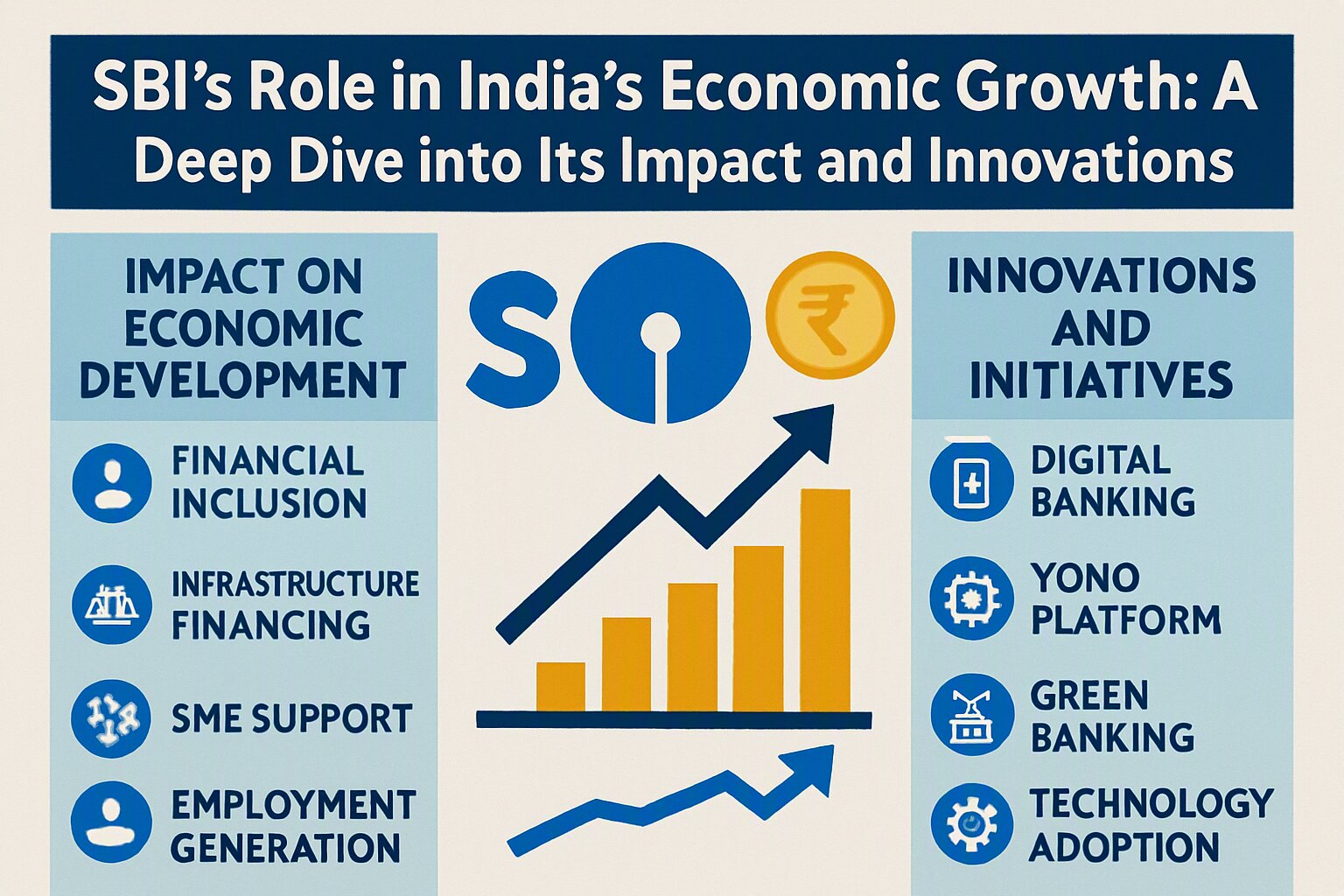
One of SBI’s most significant impacts on India’s economic growth is its role in financing infrastructure projects. The bank has funded large-scale initiatives such as roads, railways, and power generation facilities, which are crucial to the nation’s development. By providing long-term loans and financial support, SBI has enabled the government and private sector to undertake ambitious projects that drive economic activity, create jobs, and improve the quality of life for millions. Furthermore, SBI’s commitment to sustainable development has seen it invest in renewable energy projects, aligning with global efforts to combat climate change while simultaneously fostering economic growth.
Beyond infrastructure financing, SBI has played a pivotal role in supporting small and medium-sized enterprises (SMEs), the backbone of India’s economy. The bank has tailored its lending programs to meet SMEs’ unique needs, providing access to capital that is often difficult to secure from other financial institutions. By facilitating loans and offering advisory services, SBI has empowered countless entrepreneurs to start and expand their businesses, stimulating job creation and innovation. This focus on SMEs not only contributes to economic growth but also helps reduce regional disparities by promoting entrepreneurship in less developed areas.
Moreover, SBI has led the way in promoting digital banking solutions that enhance customer experience and streamline operations. The bank’s technology investments have transformed how it delivers banking services, making them more accessible and efficient. Initiatives like the YONO app, which integrates banking and lifestyle services, exemplify SBI’s commitment to innovation. Using technology, the bank has improved its services and attracted younger customers, promoting financial literacy and responsible banking among young people. This digital transformation is crucial for maintaining competitiveness in an increasingly technology-driven economy.
From Traditional Banking to Financial Inclusion: SBI’s Journey as India’s Growth Engine

SBI’s journey from a traditional bank to a driver of financial inclusion shows its adaptability and commitment to serving India’s diverse needs. In its early years, SBI focused primarily on conventional banking practices, serving mainly urban customers. However, recognizing the need for broader financial accessibility, the bank embarked on a mission to reach underserved populations, particularly in rural areas. This shift was not merely a business strategy; it was a response to the socio-economic challenges facing millions of Indians who lacked access to basic financial services.
Initiatives such as the Pradhan Mantri Jan Dhan Yojana (PMJDY) have driven this transformation. SBI has played a crucial role in implementing this flagship program, which aims to provide every household with a bank account. By actively participating in this initiative, SBI has opened millions of new accounts, facilitating access to savings, credit, and insurance for previously unbanked individuals. This emphasis on financial inclusion has not only empowered individuals but also contributed to the country’s overall economic stability by promoting savings and investment among low-income households.
Furthermore, SBI has implemented various microfinance and self-help group (SHG) programs that cater specifically to women and marginalized communities. By providing small loans and promoting entrepreneurship, these initiatives have helped individuals break the cycle of poverty and contribute to their local economies. The bank’s focus on empowering women through financial literacy and entrepreneurial support has had a multiplier effect, fostering community development and enhancing the socio-economic status of entire families. This approach aligns seamlessly with the government’s broader goals of gender equality and inclusive growth.
In addition to its role in financial inclusion, SBI has been a pioneer in promoting sustainable development through responsible banking practices. The bank has integrated environmental, social, and governance (ESG) criteria into its lending policies, ensuring that the projects it finances are not only economically viable but also socially and environmentally responsible. This commitment to sustainability is reflected in SBI’s investments in green energy projects and its efforts to reduce the carbon footprint of its operations. By prioritizing sustainability, SBI is not only contributing to India’s economic growth but also addressing global challenges such as climate change and resource depletion.
In conclusion, the State Bank of India shows how banking can drive economic growth and foster financial inclusion. Its evolution from a traditional bank to a dynamic financial entity shows that it responds to the changing needs of the Indian economy. By focusing on infrastructure financing, supporting small and medium enterprises, promoting digital banking solutions, and championing financial inclusion, SBI has solidified its position as a growth engine for India. As the country moves forward with economic development, SBI will continue to play a crucial role in building a more inclusive, sustainable, and prosperous future for all Indians.