
Table of Contents
Navigating the Dynamics of the Stock Market
Investing in shares listed on the National Stock Exchange (NSE) requires a keen understanding of market trends and stock price movements. In my experience, NSE shares serve as a barometer for the overall health of the economy, reflecting investor sentiment and broader market dynamics. Each fluctuation in stock prices can provide insights into the current state of various sectors, and thus, it is imperative for investors to stay attuned to these movements.
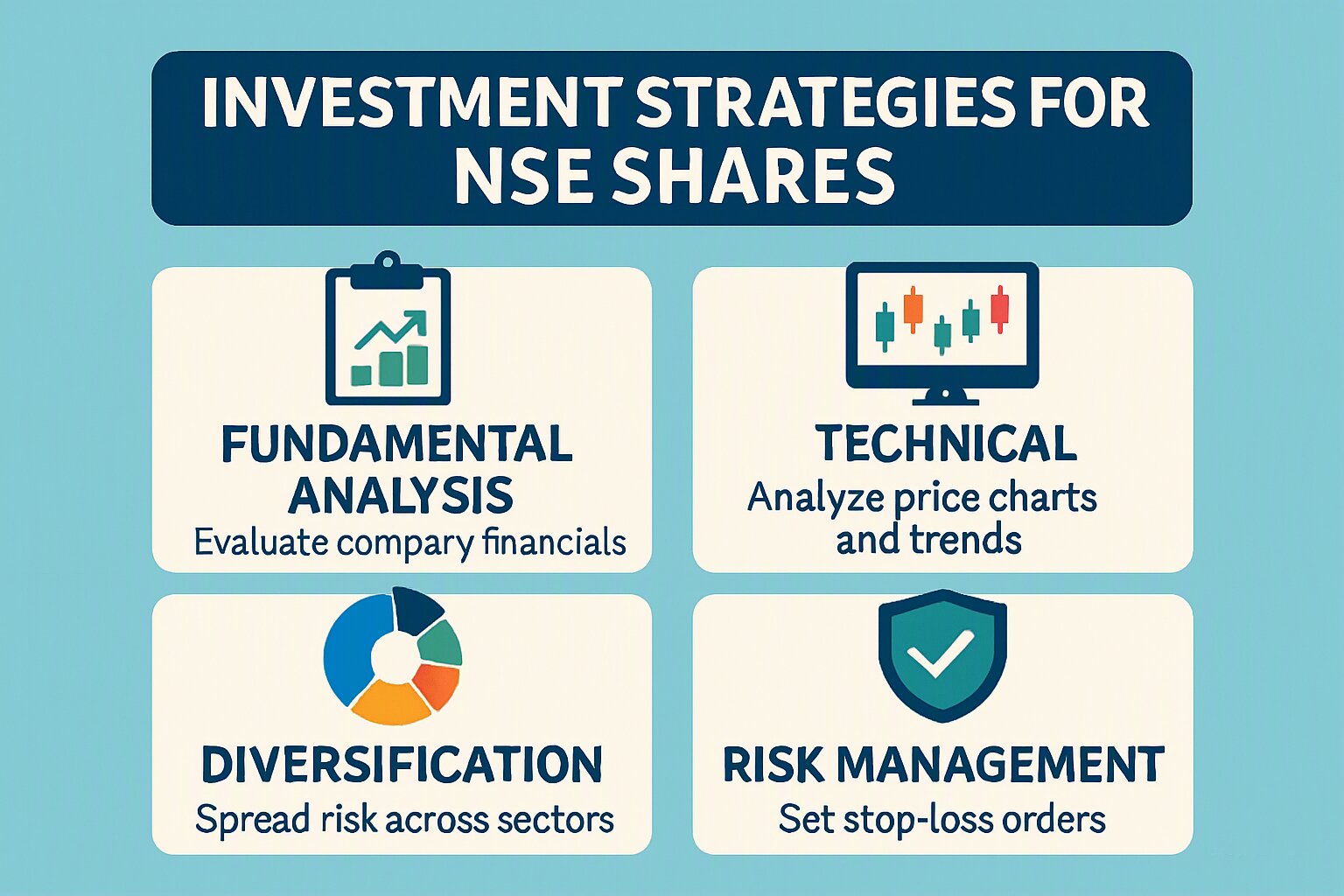
Investment analysis is crucial for successful trading on NSE. By utilizing various analytical tools and methods, I can evaluate potential investment opportunities and make informed decisions. A thorough understanding of both technical and fundamental analysis allows me to navigate the complexities of the stock market effectively. This analytical approach not only helps in identifying stocks with high growth potential but also equips me to manage risks associated with trading on the NSE.
The Role of Economic Indicators in Share Performance
Economic indicators play a pivotal role in influencing NSE stock price trends. Metrics such as GDP growth, inflation rates, and employment statistics can significantly impact investor confidence, which in turn affects stock prices. For instance, a robust GDP growth rate often correlates with a bullish market sentiment, leading to increased investment in NSE shares. Conversely, negative economic news can trigger sell-offs, reflecting the market’s reaction to perceived risks.
Market analysis is essential for guiding investment decisions in NSE shares. By closely monitoring economic indicators and understanding their implications, I can anticipate market movements and adjust my investment strategies accordingly. This proactive approach enables me to capitalize on favorable market conditions while safeguarding my portfolio against potential downturns.
Utilizing Fundamental Analysis for Informed Decisions
To make informed investment decisions, I prioritize analyzing NSE stock trends through fundamental analysis. This involves examining a company’s financial health, including its earnings reports, revenue growth, and market position. By assessing these factors, I can gauge the intrinsic value of a stock and determine whether it is undervalued or overvalued in the current market.
Utilizing market analysis to optimize trading strategies on NSE is a key aspect of my investment approach. By integrating fundamental analysis with technical indicators, I can create a well-rounded strategy that accounts for both the underlying value of a stock and the market’s short-term movements. This dual approach not only enhances my decision-making process but also increases the likelihood of achieving favorable returns.
The Impact of Global Events on NSE Trading
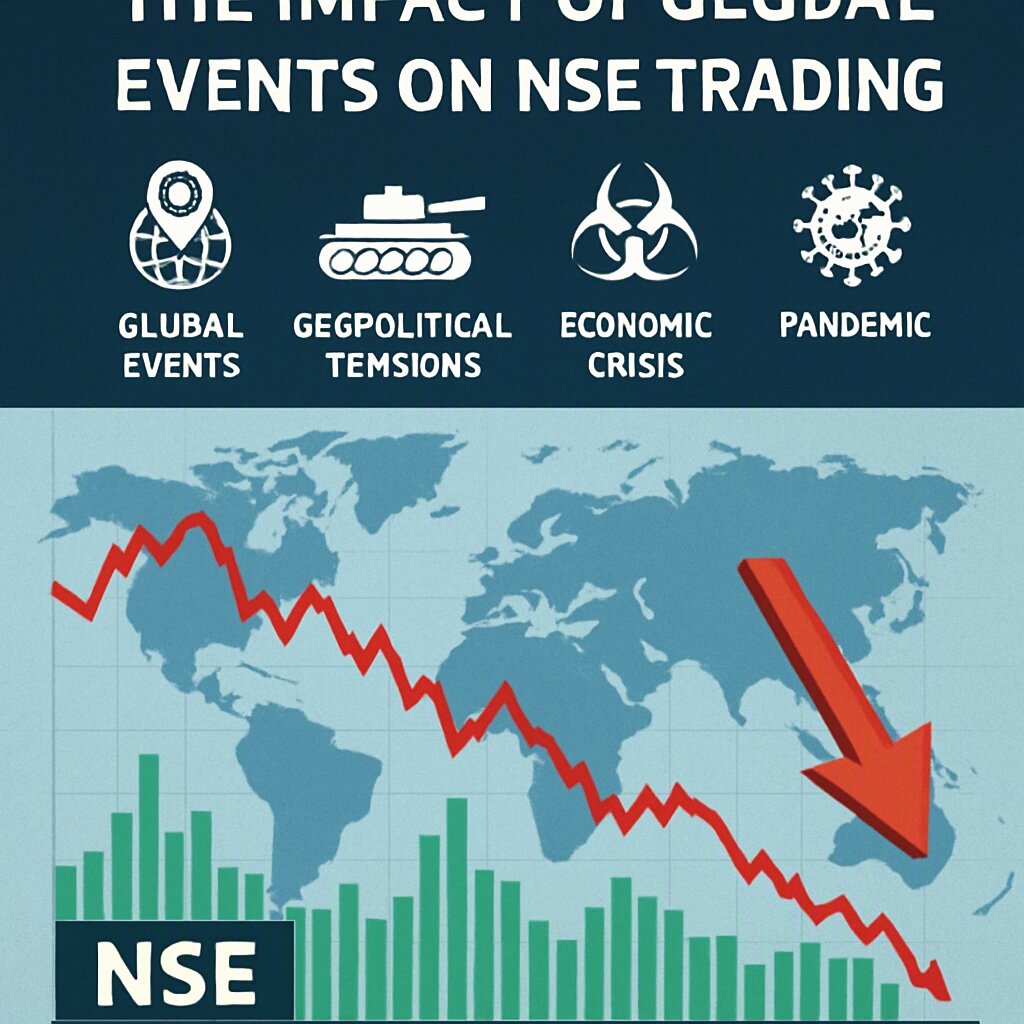
Global events have a profound impact on NSE stock price trends. Factors such as geopolitical tensions, trade agreements, and economic policies enacted by major economies can create ripples across the global financial markets, influencing investor behavior in India. For example, an unexpected change in U.S. interest rates can lead to volatility in NSE shares as investors react to the potential implications for domestic economic stability.
Market analysis reveals investment opportunities in NSE shares trading that are often overlooked. By staying informed about global events and their potential consequences, I can identify stocks that may benefit from favorable developments or those that are likely to be adversely affected. This awareness allows me to make timely investment decisions that align with broader market trends.
Strategies for Diversifying Your Investment Portfolio
Analyzing NSE stock trends is essential for making informed investment decisions that contribute to a well-diversified portfolio. Diversification across various sectors not only spreads risk but also enhances the potential for returns. By investing in a mix of industries, such as technology, healthcare, and consumer goods, I can mitigate the impact of sector-specific downturns on my overall portfolio.
Additionally, diversifying shares across sectors allows me to capitalize on different growth cycles. For instance, while one sector may be experiencing a downturn, another may be on an upswing. This strategic allocation helps to balance my investments and can lead to more consistent performance over time.
Understanding Market Sentiment and Investor Behavior
Analyzing NSE stock trends provides valuable insights into market sentiment and investor behavior. Understanding the psychological factors that drive market movements is crucial for optimizing trading strategies effectively. By gauging investor sentiment—whether it is bullish or bearish—I can better predict potential price movements and make timely investment decisions.
Market sentiment often influences short-term trading patterns, and being attuned to these dynamics allows me to adapt my strategies accordingly. For example, during periods of heightened optimism, I may consider taking advantage of upward price momentum, while in times of uncertainty, I might adopt a more cautious approach. This adaptability is key to navigating the complexities of the NSE.
Leveraging Technology for Enhanced Trading Efficiency
Utilizing trading software for NSE stock price analysis has become an integral part of my investment strategy. Advanced trading platforms provide real-time data, analytical tools, and charting capabilities that enhance my ability to make informed decisions. By leveraging technology, I can quickly assess market trends and execute trades with precision, thereby increasing my efficiency as an investor.
Leveraging market trends for informed NSE shares investment decisions is essential in today’s fast-paced trading environment. With the help of technology, I can conduct comprehensive analyses and stay ahead of market movements, ensuring that I capitalize on emerging opportunities. This technological edge not only streamlines my trading process but also enhances my overall investment performance.