
Table of Contents
Introduction
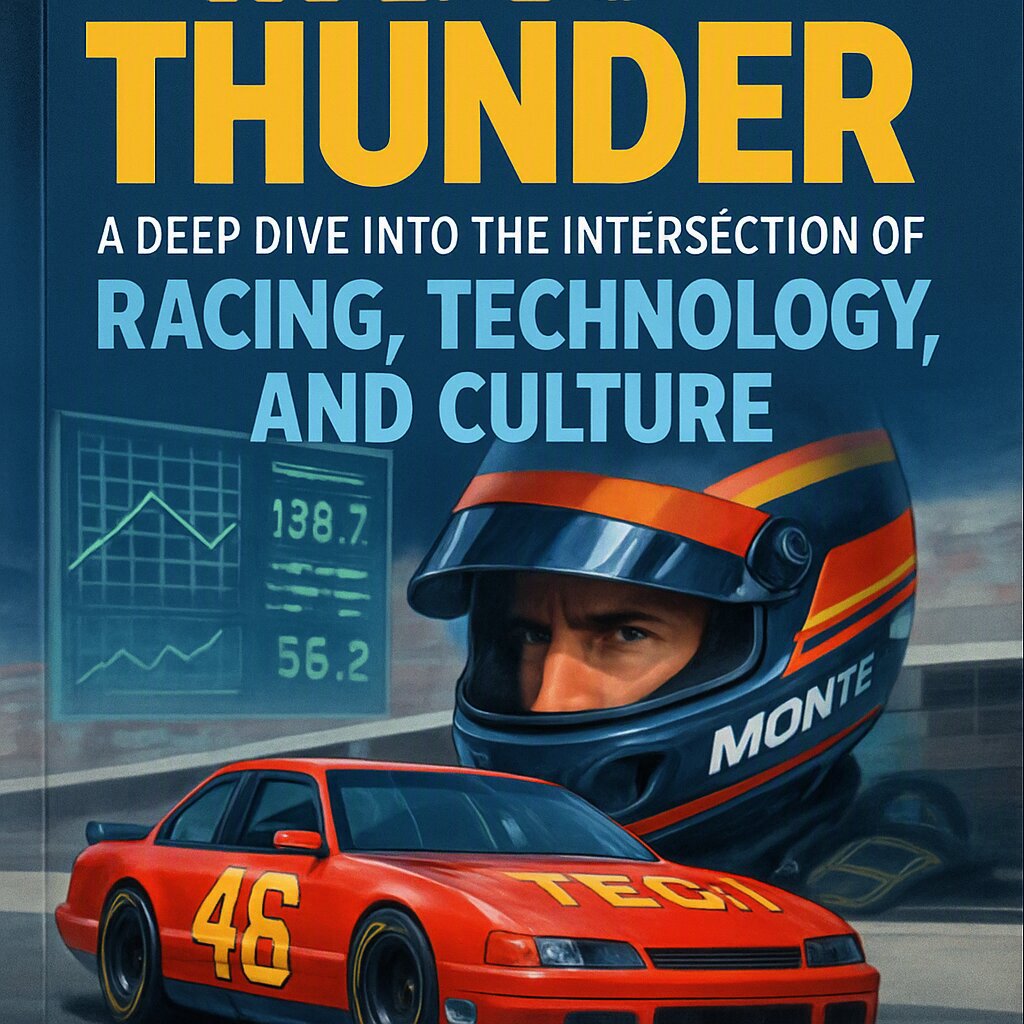
“Days of Thunder” is not just a film; it is a cultural touchstone that encapsulates the thrilling world of NASCAR racing. Released in 1990 and directed by Tony Scott, the film stars Tom Cruise as Cole Trickle, a rookie driver vying for success on the NASCAR circuit. While it is primarily a work of entertainment, the film also serves as a lens through which we can examine the broader themes of competition, technology, and the human spirit. This article will explore various aspects of “Days of Thunder,” including its impact on popular culture, the technical intricacies of stock car racing, and the underlying themes of ambition and resilience.
The Cultural Impact of “Days of Thunder”
A Cinematic Milestone
“Days of Thunder” is often regarded as one of the quintessential racing films, joining the ranks of classics like “Bullitt” and “Le Mans.” The film not only brought NASCAR into the mainstream but also introduced audiences to the adrenaline-fueled world of stock car racing. Its high-octane action sequences and dramatic storytelling resonated with viewers, making it a box office success and a staple in the racing genre.
Popularizing NASCAR
The film played a pivotal role in popularizing NASCAR, which had been primarily viewed as a regional sport. Following the film’s release, NASCAR saw a surge in popularity, with attendance at races increasing significantly. The film’s portrayal of the sport helped demystify the world of stock car racing, allowing fans to connect with the drivers and their stories on a personal level.
Influence on Future Films
“Days of Thunder” set a precedent for future sports films, blending thrilling action with character-driven narratives. Its success paved the way for other films centered around racing and sports, including “Talladega Nights: The Ballad of Ricky Bobby” and “Ford v Ferrari.” The cinematic techniques employed in “Days of Thunder,” such as the use of in-car cameras and dynamic editing, have since become standard in sports filmmaking.
The Technical Aspects of Stock Car Racing
Understanding the Vehicles
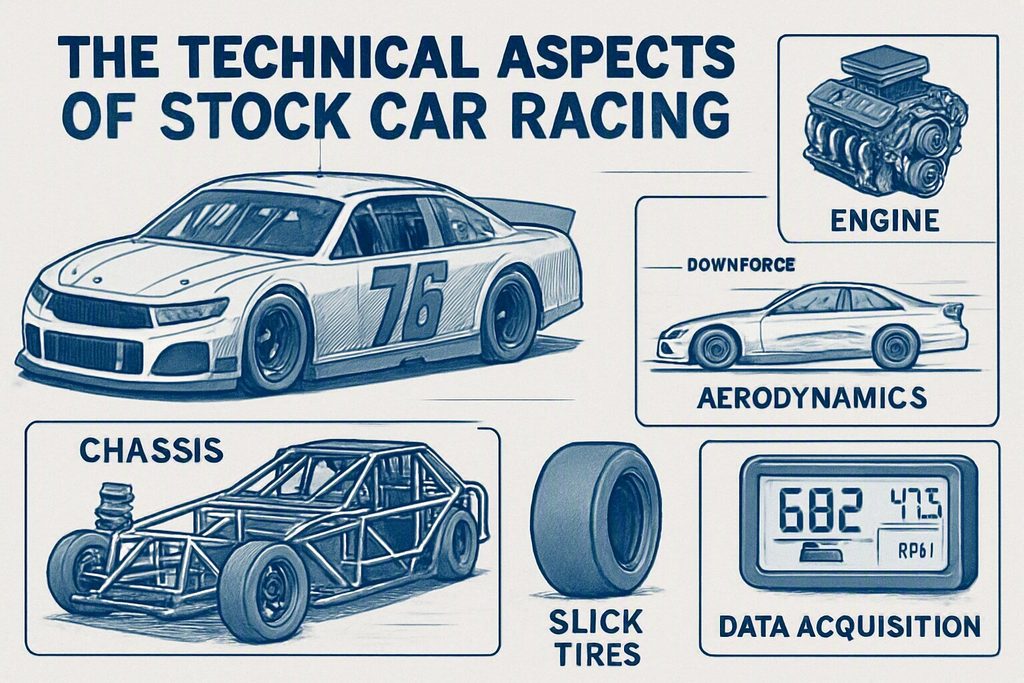
At the heart of “Days of Thunder” is the stock car itself. These vehicles are not merely modified versions of consumer cars; they are purpose-built machines designed for speed, performance, and safety. The film showcases the intricacies of car design, including aerodynamics, engine performance, and tire technology.
The Role of Technology
The technological advancements in stock car racing are significant and have evolved over the years. The film highlights the importance of engineering and innovation in racing. From the development of more powerful engines to the implementation of advanced telemetry systems, technology plays a crucial role in determining a driver’s success on the track.
Safety Innovations
Safety is a paramount concern in NASCAR, and “Days of Thunder” touches upon this aspect as well. The film depicts the dangers of racing and the risks drivers take, but it also showcases the advancements in safety gear and track design that have been implemented over the years. The introduction of the HANS device (Head and Neck Support) and SAFER barriers (Steel and Foam Energy Reduction) are examples of how the sport has prioritized driver safety.
Themes of Ambition and Resilience
The Journey of Cole Trickle
Cole Trickle’s journey in “Days of Thunder” is emblematic of the broader human experience of ambition and resilience. His character embodies the struggles and triumphs that come with pursuing one’s dreams. Despite facing numerous setbacks, including accidents and rivalries, Cole’s determination to succeed drives the narrative forward.
Rivalry and Sportsmanship
The film also explores the theme of rivalry, particularly through Cole’s relationship with fellow driver Rowdy Burns, played by Michael Rooker. Their competitive dynamic reflects the intense nature of professional sports, where rivalry can fuel ambition. However, the film also emphasizes the importance of sportsmanship and respect among competitors, showcasing how personal relationships can evolve even in the face of fierce competition.
The Power of Teamwork
In racing, success is rarely achieved in isolation. “Days of Thunder” highlights the significance of teamwork, depicting the roles of crew members, engineers, and sponsors in a driver’s journey. The film illustrates how collaboration and communication are vital components of achieving success on the racetrack, reinforcing the idea that individual ambition must be supported by a strong team.
Conclusion
“Days of Thunder” is more than just a racing film; it is a multifaceted exploration of ambition, technology, and the human spirit. Its impact on popular culture and the world of NASCAR cannot be overstated. By examining the film’s themes and technical aspects, we gain a deeper appreciation for the sport and the individuals who dedicate their lives to it. As we reflect on the “days of thunder,” we are reminded of the exhilarating pursuit of dreams, the importance of resilience, and the thrilling intersection of man and machine on the racetrack.