
SBI PO Score Card Structure Explained
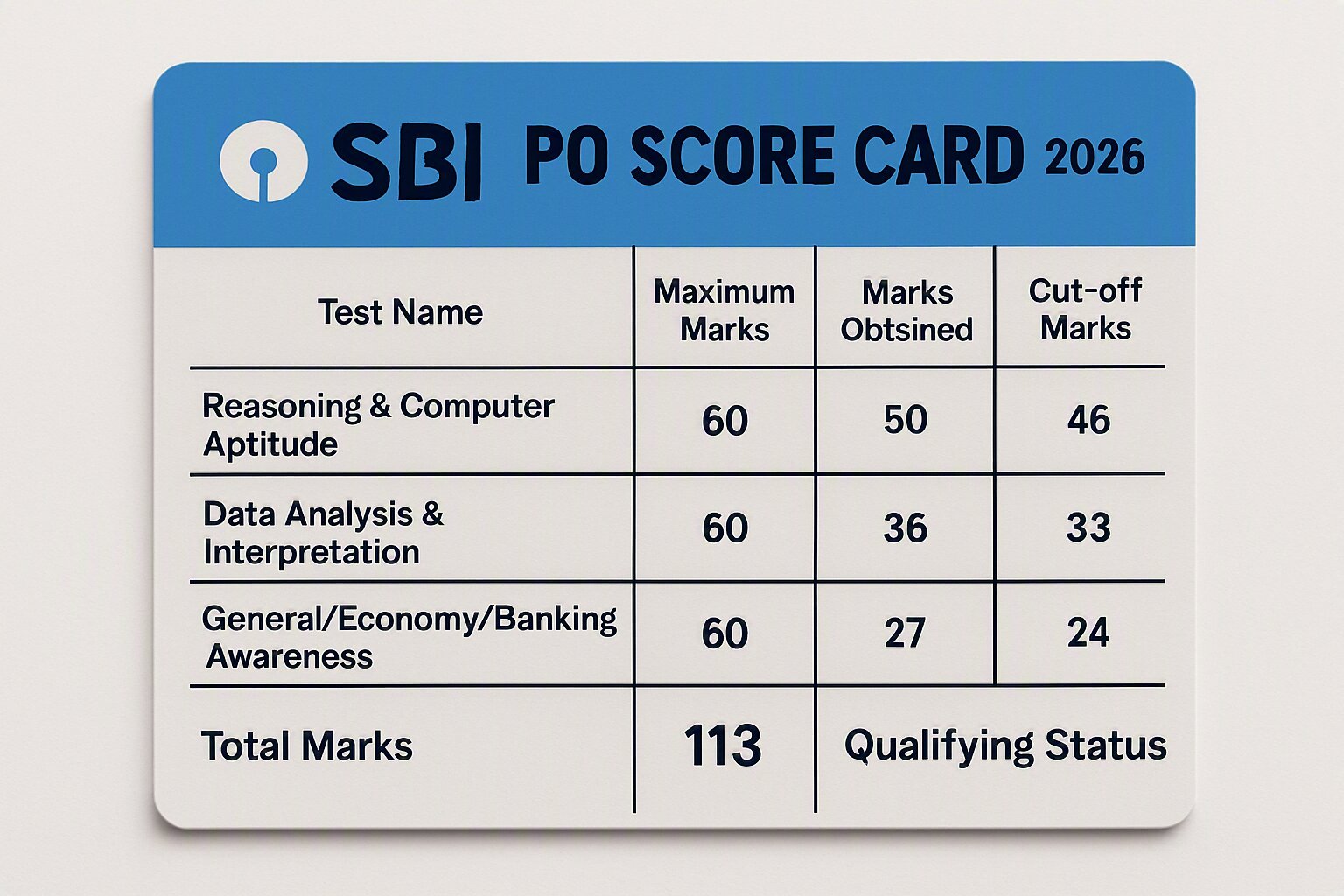
As I delve into the intricacies of the SBI PO score card for 2026, it becomes apparent that understanding its structure is crucial for any candidate aspiring to secure a position in the banking sector. The SBI PO score card is a comprehensive document that encapsulates various elements of a candidate’s performance throughout the selection process. It typically includes sections for marks obtained in different phases of the examination, such as the preliminary and mains exams, as well as the interview stage. Each of these components plays a pivotal role in determining the overall score.
The eligibility criteria for SBI PO candidates in 2026 are specifically designed to filter out the most suitable applicants. Generally, candidates must possess a bachelor’s degree from a recognized university, and there are age limits that applicants must adhere to, typically ranging from 21 to 30 years. Certain relaxations are provided for candidates belonging to reserved categories. Understanding these criteria is essential, as they not only dictate who can apply but also influence how the score card is interpreted in the context of the recruitment process.
When analyzing the score distribution in the SBI PO score card, I find it fascinating how each section contributes differently to the final tally. The preliminary exam serves as a qualifying round, while the mains exam carries a higher weightage in the overall score. Additionally, the interview stage adds a final touch, allowing candidates to showcase their interpersonal skills and suitability for the role. This layered approach to scoring ensures that a well-rounded candidate, who excels in multiple areas, is favored in the selection process.
The importance of the score card in the banking recruitment process cannot be overstated. It serves as a definitive measure of a candidate’s capabilities and potential fit within the organization. A thorough understanding of this score card can significantly enhance a candidate’s strategy for preparation, allowing them to focus on areas that require improvement. Ultimately, the score card is not just a reflection of performance; it is a vital tool that can influence a candidate’s future in the banking sector.
Role of Score in Banking Recruitment
In the competitive landscape of banking recruitment, the SBI PO score card is a key determinant of candidate eligibility. It acts as a benchmark against which applicants are evaluated, and a high score can significantly enhance one’s prospects of being shortlisted for interviews. The score card encapsulates a candidate’s performance across all stages of the selection process, providing a comprehensive overview that recruiters rely on to make informed decisions.
Understanding how the SBI PO score impacts recruitment in 2026 is essential for aspiring candidates. The banking sector is known for its rigorous selection processes, and the score card serves as a primary filter. Candidates with scores above a certain threshold are often prioritized, while those below may find it challenging to progress further. This dynamic underscores the importance of strategic preparation and focused study to maximize scores.
Score card analysis is an invaluable tool for candidates navigating the banking selection process. By closely examining their scores in various sections, candidates can identify strengths and weaknesses, allowing them to tailor their preparation accordingly. This analytical approach not only enhances individual performance but also equips candidates with the insights needed to compete effectively in a crowded field.
A high score on the SBI PO score card significantly enhances the chances of recruitment success. It is often the differentiating factor that sets candidates apart in a competitive pool. Therefore, it is imperative for candidates to not only aim for a passing score but to strive for excellence, as this can open doors to opportunities that might otherwise remain closed.
Candidate Eligibility Insights
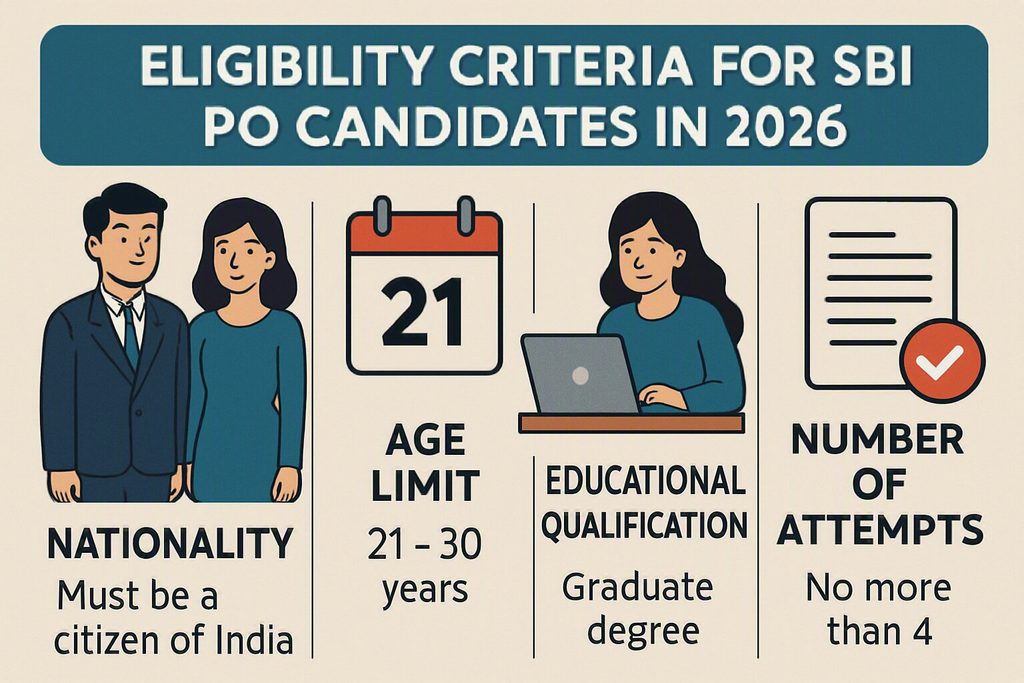
The eligibility criteria for SBI PO candidates in 2026 are meticulously crafted to ensure that only the most capable individuals enter the selection process. It is essential for candidates to familiarize themselves with these criteria, as they form the foundation upon which their applications are built. Typically, candidates must be graduates from recognized institutions and meet specific age requirements. Understanding these parameters is crucial, as they directly impact a candidate’s ability to apply and subsequently interpret their score card.
When I examine the SBI score card metrics for banking applicants, I notice that it encompasses various performance indicators. These metrics include sectional scores, overall scores, and qualifying marks for each stage of the examination. Candidates must interpret these details effectively to gauge their standing relative to the competition. A thorough understanding of what each score represents can empower candidates to make informed decisions about their preparation strategies.
Interpreting the SBI PO score card details effectively is a skill that candidates must develop. It involves not only understanding the numbers but also contextualizing them within the broader landscape of banking recruitment. For instance, knowing the average scores of successful candidates in previous years can provide valuable insights into what constitutes a competitive score. This knowledge can guide candidates in setting realistic targets for their preparation.
Several key factors can affect the SBI PO score for 2026 candidates. These include the difficulty level of the examination, the candidate’s preparation strategy, and even external factors such as the overall performance of the cohort. By recognizing these influences, candidates can better navigate their preparation and set themselves up for success.
Factors Influencing Score Outcomes
The SBI PO score card is a direct reflection of candidates’ performance metrics, encapsulating their abilities across various domains of the examination. Each section of the exam is designed to assess different skills, and the score card aggregates these results to provide a holistic view of a candidate’s capabilities. Understanding how these metrics interplay can give candidates a clearer picture of their strengths and areas for improvement.
The eligibility criteria significantly impact overall score outcomes, as they dictate who is allowed to participate in the examination. Candidates who meet the criteria are often better prepared and more motivated, leading to higher scores. Conversely, those who do not meet the eligibility requirements may find themselves at a disadvantage, affecting the overall landscape of the score distribution.
In the context of the banking sector, standards and expectations influence score expectations for candidates. Recruiters often have benchmarks based on historical data, and candidates must align their preparation to meet or exceed these standards. This alignment is crucial for standing out in a competitive environment where many candidates vie for the same positions.
As we approach 2026, it is worth noting that the score card will likely adapt to evolving assessment methods. The banking sector is continuously changing, and so too are the skills required to succeed within it. Candidates must remain vigilant and adaptable, ensuring that they are prepared for any changes in the scoring system that may arise.
Strategic Use of Score Card Information
The SBI PO 2026 score card is not merely a document of results; it reflects candidates’ eligibility and potential for success within the banking industry. Understanding this score card is vital for aspiring candidates, as it can significantly enhance their career opportunities. A clear grasp of the score card allows candidates to navigate their preparation strategically, focusing on areas that will yield the highest returns in terms of score improvement.
Engaging in score card analysis can aid candidates in their strategic preparation. By dissecting the components of the score card, candidates can identify which sections require more attention and which areas they excel in. This targeted approach not only streamlines the preparation process but also boosts confidence as candidates see tangible improvements in their scores.
It is also essential for candidates to monitor SBI PO score card updates regularly. Changes in scoring criteria or examination patterns can have a profound impact on their preparation strategies. Staying informed about these updates ensures that candidates remain competitive and adequately prepared for the challenges that lie ahead.
In conclusion, the SBI PO score card for 2026 serves as a critical tool for candidates aiming to establish a career in banking. By understanding its structure, the role it plays in recruitment, and the factors influencing score outcomes, candidates can leverage this knowledge to enhance their preparation and maximize their chances of success in the competitive banking landscape.